
Liquid delivery
Tank, filter, pump, lines, flow control and nozzles or atomisers move the liquid and determine how it leaves the aircraft.
Spray pumps →
New launches & offers — first on Instagram.
Follow on InstagramEverything to check before you buy or hire an agriculture spraying drone in India: how agricultural drone spraying works, 10L to 25L tank capacity, spray quality, safety rules, price and subsidy.
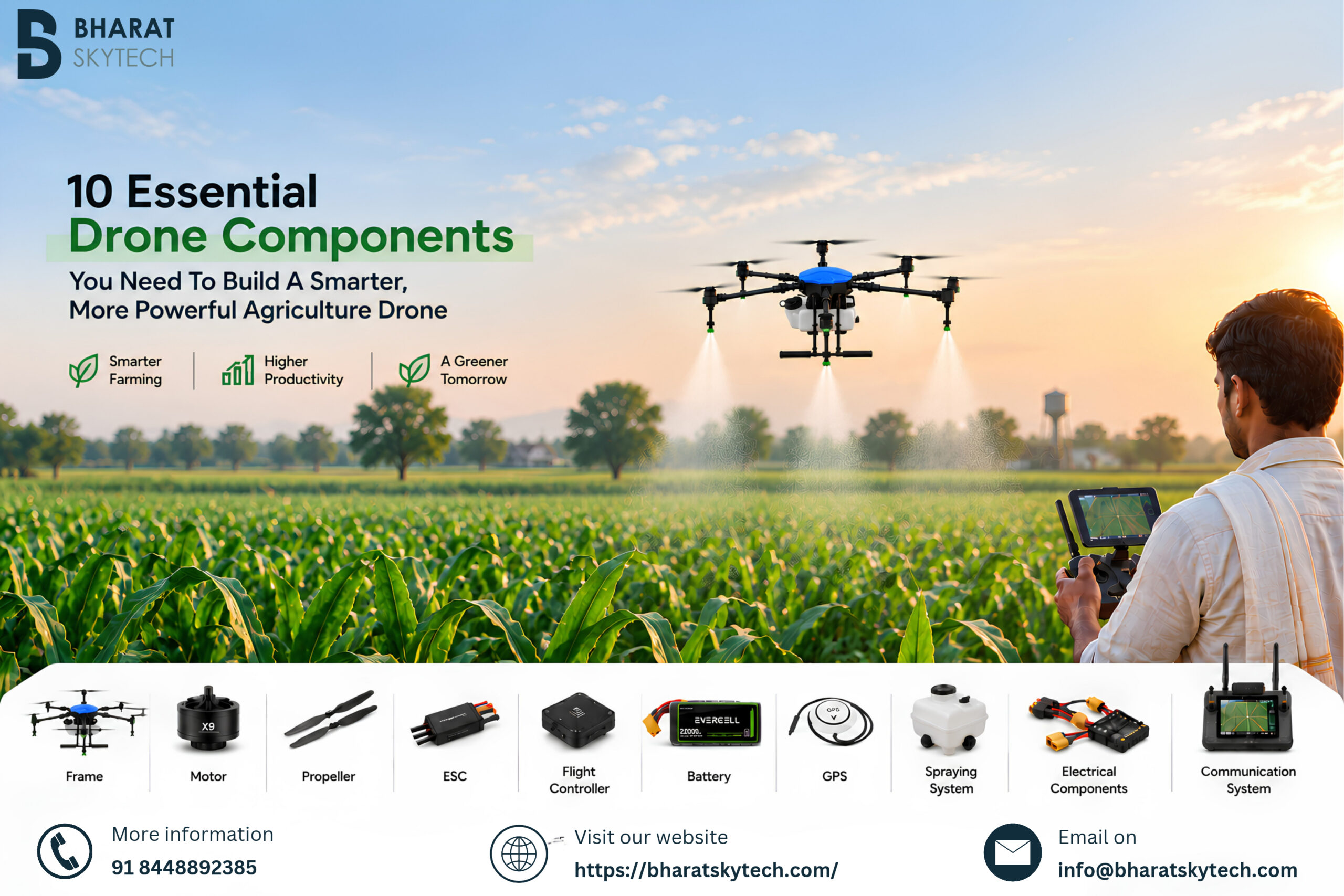
An agriculture spraying drone (also called an agricultural spraying drone, drone sprayer or Kisan drone) is an unmanned aircraft that applies a suitable liquid input to crops using a tank, pump and spray nozzles. Agriculture drone spraying reaches fields without driving a ground sprayer through the crop, but useful results depend on the product, crop, weather, equipment setup and operator—not the tank size alone.
Start here: A larger tank does not guarantee more acres per flight. Check the application plan, calibrated flow, effective swath, battery time and refill logistics together. Never assume that a pesticide is approved for drone application merely because a drone can carry it.
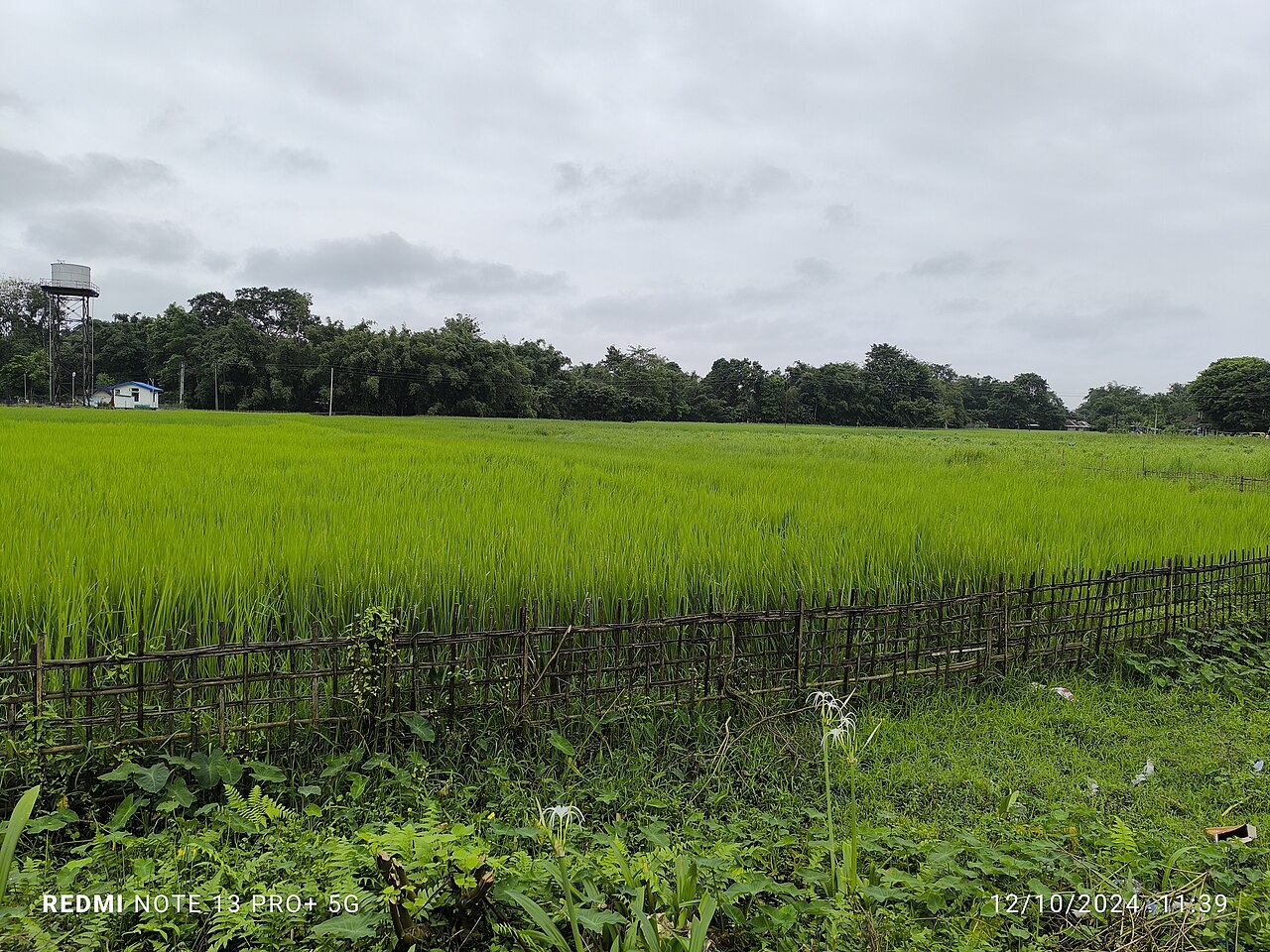
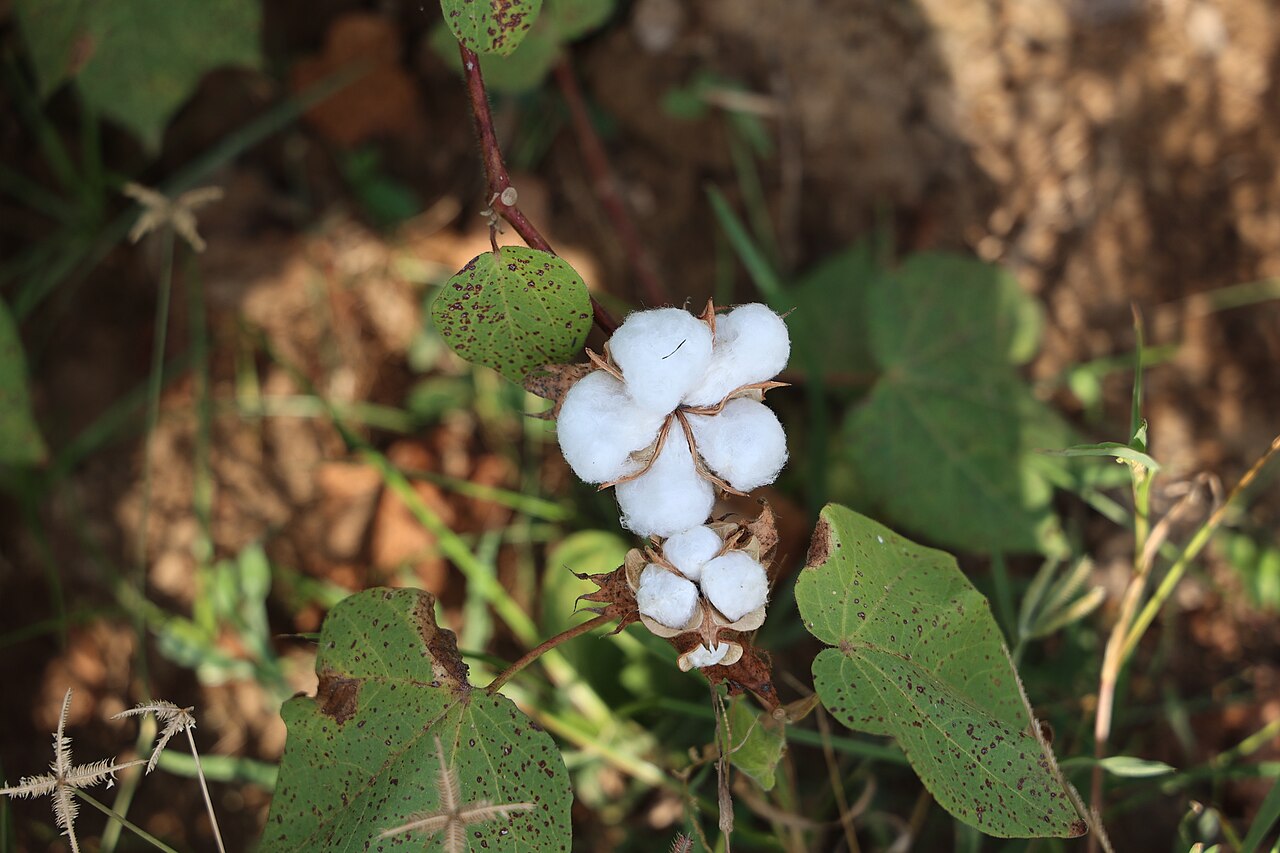
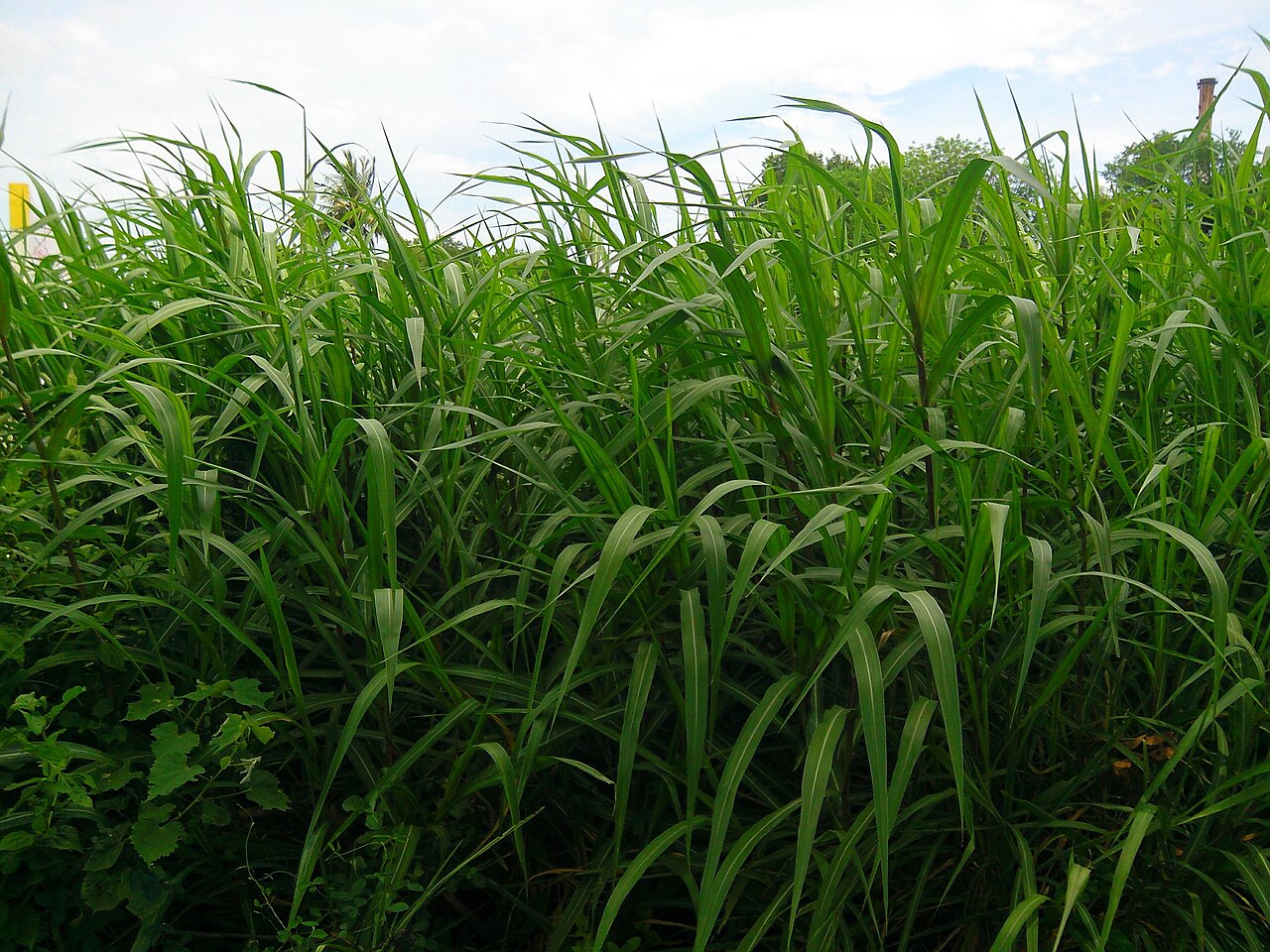
Farmers, FPOs, Custom Hiring Centres and drone service providers use spraying drones for pesticide, fungicide, herbicide and liquid-nutrient applications on crops such as paddy, cotton, sugarcane and wheat. The sections below explain the components, the 10L, 16L, 20L and 25L capacity classes, what drives the agriculture spraying drone price, and the rules that apply in India.
This is a general guide, not a pesticide label, flight authorisation or field-specific operating procedure.
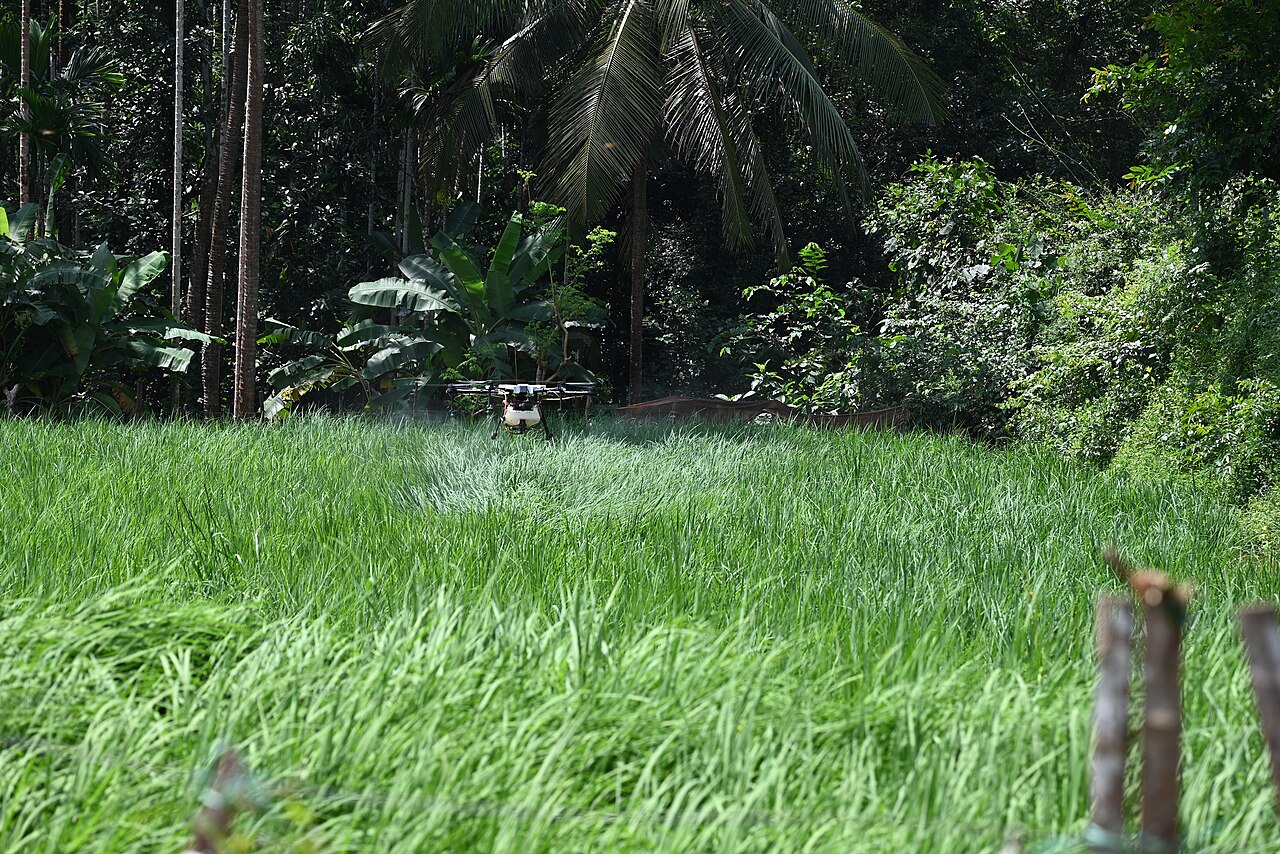
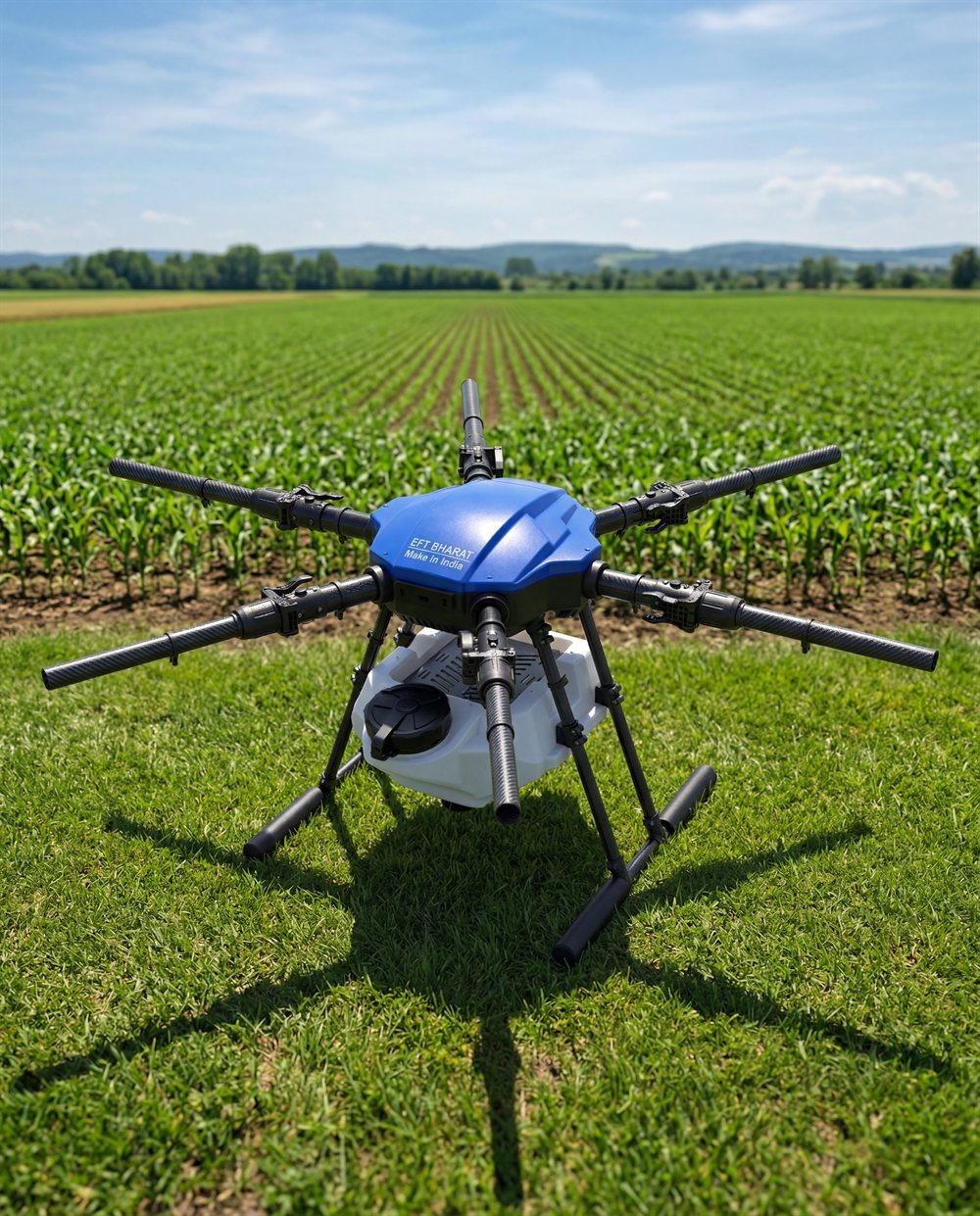
Build your agriculture spraying drone on a genuine EFT Bharat frame. Every frame below ships from India with original spray tank, arms and landing gear; add a Hobbywing power system, flight controller and batteries to complete the drone.
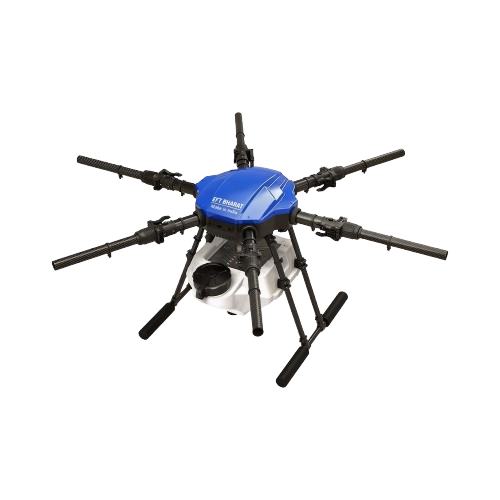
₹33,999 ₹36,999 + GST
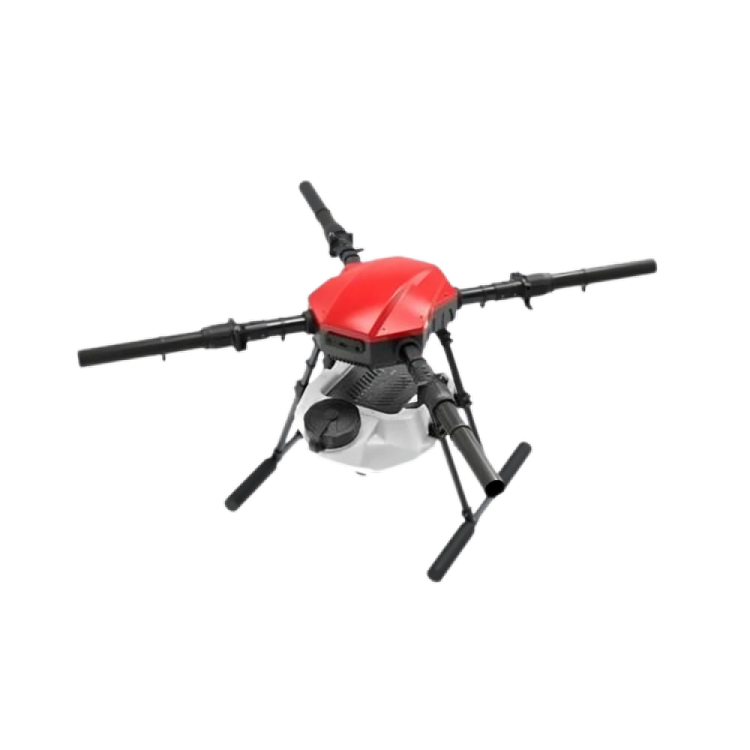
₹34,999 ₹38,999 + GST
₹40,999 ₹44,999 + GST
₹41,999 ₹44,999 + GST
₹55,999 ₹59,999 + GST
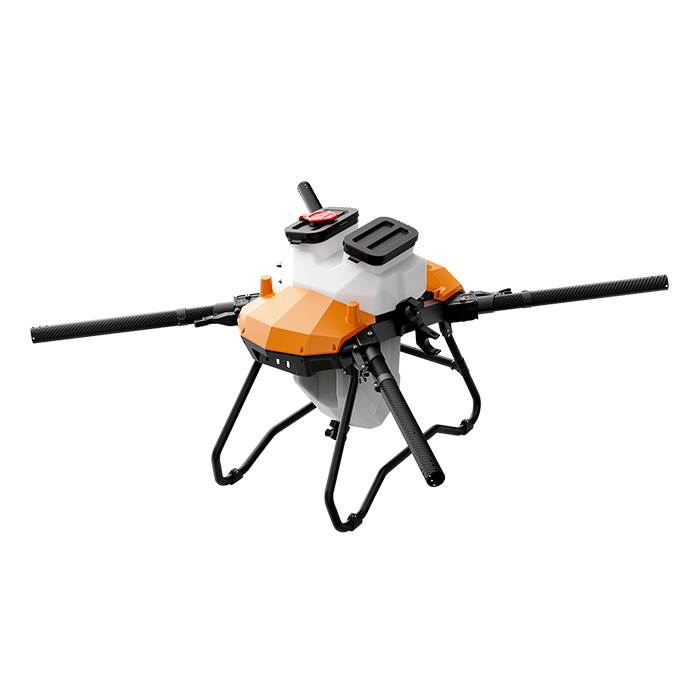
₹64,999 ₹69,999 + GST
Prices are frame-only and exclusive of GST; they update automatically from our store. For a complete 10L, 16L, 20L or 25L agriculture spraying drone configuration, talk to our team on WhatsApp or call +91 62613 13136.
A spraying drone combines a flying platform with a liquid-delivery system. The operator assesses the field, prepares a route and an appropriate application plan, checks the aircraft and spray system, monitors the flight, and records and cleans up after the job. Automated routes help repeat passes; they do not remove the need for supervision.
Tank, filter, pump, lines, flow control and nozzles or atomisers move the liquid and determine how it leaves the aircraft.
Spray pumps →Battery, motors, propellers and flight controller provide lift and control. Usable flight time changes with load and conditions.
Motors & propellers →Navigation helps plan and follow passes. RTK, terrain-following and radar are model-dependent, not features of every spraying drone.
Flight controllers & radars →Correct setup, calibration, weather assessment, bystander control and application records remain essential even with automation.
Remote controllers →Every drone spraying job follows the same rhythm — from reading the field to cleaning up after the last pass.
Assess the crop, input, field and sensitive areas.
Plan the route and intended application.
Inspect the aircraft, battery and spray system.
Check conditions immediately before launch.
Monitor spraying and pause if conditions change.
Record the job, clean and store equipment.
Depending on the equipment and the product's applicable directions, agricultural drone spraying may be considered for certain crop-protection or nutrient applications, including pesticide spraying and foliar nutrients such as nano urea where the product permits it. Pesticides, fungicides, herbicides, bio-pesticides and liquid fertilizers have different formulations and risks. A liquid sprayer is also not the same as a granular spreader. For mapping, monitoring and other roles, see how drones are used in agriculture.
Check the crop and target, the exact product and permitted application method, access and obstacles, weather, neighbouring people and sensitive areas, and whether qualified operation and application-quality checks are available.
If the required method cannot be delivered reliably, use a more suitable approach rather than forcing a drone application.
Agriculture spraying drones are usually grouped by tank size—10L, 16L, 20L and 25L. Tank capacity is a liquid-volume measure; payload is the mass the aircraft can safely carry. Neither tells you by itself how many acres a drone will spray. Application volume, effective swath, speed, overlap, refilling and batteries all matter.
| Measure | Question it answers | What it does not prove |
|---|---|---|
| Tank volume | How much liquid can the tank nominally hold? | Area per flight or safe payload. |
| Payload rating | What load can this configuration safely carry? | Spray uniformity or flight endurance. |
| Flow rate | How quickly does liquid leave the outlets? | Effective coverage without swath and speed. |
| Battery endurance | How long might this setup operate under stated conditions? | Daily productivity after all refills and swaps. |
Tank classes describe where a drone is typically considered, not a guaranteed output. Confirm payload, flight time and coverage for the exact configuration.
| Tank class | Typically considered for | Example frames |
|---|---|---|
| 10L agriculture spraying drone | Smaller or fragmented plots, first-time owners and easier transport between fields. | 10L EFT E610P 10L EFT E410P |
| 16L agriculture spraying drone | Mid-size farms, FPOs, Custom Hiring Centres and village-level spraying services. | 16L EFT E616P 16L EFT E416P |
| 20L agriculture spraying drone | Larger blocks and commercial contract spraying, where fewer refills matter. | 20L EFT E620P 20L EFT E420P 20L EFT G18 |
| 25L agriculture spraying drone | Plantations and high-acreage operations; needs a heavier power system, larger batteries and more transport space. | 25L Heavy-lift power systems KV Thrust class guide |
For a planning estimate, theoretical area per tank = usable liquid volume ÷ planned application volume per unit area.
Example only. This is not a recommended pesticide rate, a dose or a performance claim.
Application volume (L/ha) = 10,000 × total outlet flow (L/min) ÷ [ground speed (m/min) × effective swath (m)]
The actual swath and deposition must be checked under field conditions. Follow the specific input's directions and current official guidance; do not alter its dose using this formula.
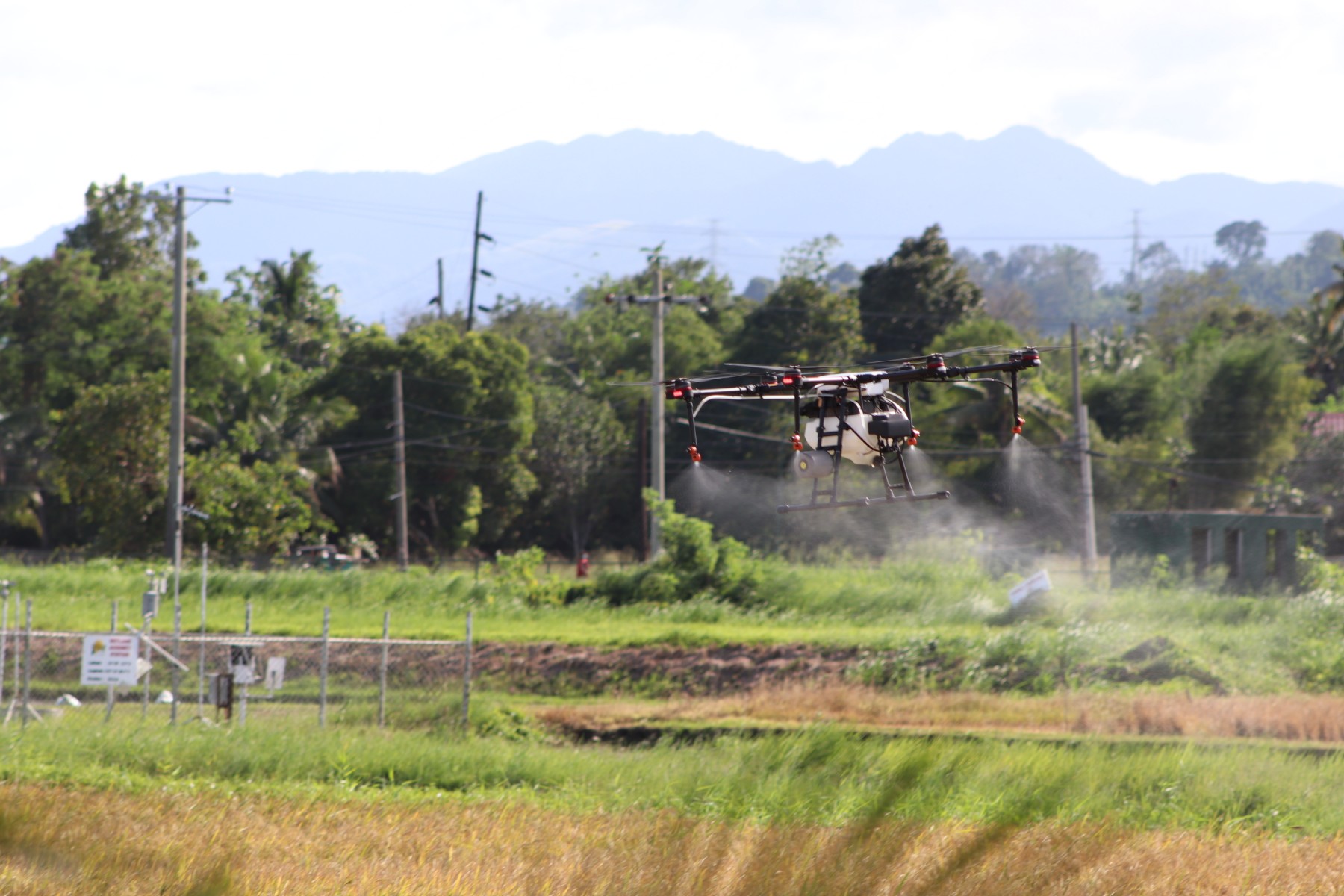
Nozzle or atomiser type, output, droplet characteristics, flight path, canopy and weather influence where droplets land. A flow meter can help monitor delivery if the system is correctly installed and calibrated. GPS-based route planning can help repeat passes; RTK may improve positioning on equipped models. Terrain-following and obstacle sensors can assist, but are not substitutes for a safe site assessment.
There is no universal droplet size, flight height, speed, swath or wind limit for every crop, product and machine. Use the applicable product directions, official SOP, equipment instructions and field verification.
Each potential benefit of an agriculture spraying drone comes with something to verify on the ground before you rely on it.
| Potential benefit | What to check |
|---|---|
| Reach crops without a ground vehicle entering the field | Safe flight path, take-off space and obstacles. |
| Plan repeatable spray passes | Measured output, overlap and actual deposition. |
| Reduce time spent carrying a sprayer through crop rows | Exposure during mixing, filling, drift and cleaning remains. |
| Work across multiple fields | Weather, transport, battery and refill downtime. |
Compare methods for the particular field, crop and intended input—not with a universal winner.
May suit some small or accessible plots but can put workers near the application.
Can be effective where ground access and the application requirements allow it.
Avoids ground-vehicle passes but has payload, battery, drift and flight constraints.
Check aviation and pesticide requirements separately. Under India's Drone Rules, 2021, a drone generally needs a Unique Identification Number (UIN) on Digital Sky, and the operator needs a Remote Pilot Certificate from a DGCA-authorised training organisation. Consult the current DGCA drone resources and Digital Sky for the aircraft and operator, or read our summary of DGCA drone rules for agriculture operators. For a proposed crop-protection application, check PPQS/CIB&RC guidance, the registered product directions and the applicable spraying SOP.
DGCA drone resources and the Digital Sky platform cover the aircraft and the person flying it.
PPQS/CIB&RC guidance, registered product directions and the spraying SOP cover what goes in the tank.
"Aircraft compliance alone does not establish permission to apply a particular pesticide."
Key rule to rememberA qualified local professional should verify the applicable rules and application instructions for a specific operation. Requirements can change.
There is no responsible single nationwide agriculture spraying drone price. The cost of a 10L, 16L, 20L or 25L setup changes with the configuration. Compare dated, like-for-like written quotations: aircraft, spray system, batteries, charger or power source, sensors, training, tax, warranty, spares and support. An aircraft-only price is not the total cost of a working operation.
Estimate annual depreciation, battery replacement, power, labour, transport, maintenance and downtime. Divide by actual acres treated, not the maximum output advertised for a model.
Check the local drone spraying cost per acre, minimum booking, whether chemicals or water are included, travel charges, operator qualifications and the policy if weather prevents treatment.
A farm with limited spraying demand may prefer a service; ownership needs realistic utilisation and a maintenance plan. Neither choice has a universal payback figure.
Indian agriculture-drone programmes have supported different beneficiary groups and purposes, including selected women self-help groups, demonstrations and agricultural mechanisation. They are not one universal farmer subsidy.
Do not assume applications are open for a later period without a newer official notification. Confirm eligibility, dates and funding with the relevant government publication and state department. Our agriculture drone subsidy guide explains the schemes, eligibility and how to apply.
Whichever route you take, ask for specifics in writing — configuration, process and terms.
No. Agricultural drones may also be used for monitoring or mapping. A spraying drone has an appropriate liquid-application system.
There is no fixed number. Application volume, calibrated flow, effective swath, tank, battery, refill time and field conditions determine actual coverage.
No. Check the exact input's registered directions, suitability of the spray system and current applicable requirements before using it.
No. Payload, battery, flow, refilling, flight conditions and field layout affect actual productivity.
There is no single best size. A 10L drone is easier to transport and suits smaller plots; 16L and 20L drones reduce refills for FPOs and spraying services; 25L drones suit high-acreage work but need a heavier power system and more batteries. Match the tank class to your fields, crops and daily workload.
The agriculture spraying drone price depends on tank class, power system, flight controller and radar, spray system, number of batteries and chargers, training, warranty and support. Compare current written quotes for the same configuration rather than relying on a single nationwide figure.
Drone spraying cost per acre varies by region, crop, field size, travel and whether the chemical is included. Ask local service providers for a written per-acre quotation with inclusions and weather-cancellation terms.
Generally yes. Under the Drone Rules, 2021, the drone needs a Unique Identification Number on Digital Sky and the operator needs a Remote Pilot Certificate from a DGCA-authorised training organisation. Check current DGCA requirements before operating.
Compare expected use, access to a suitably qualified operator, maintenance capacity and available local service quotations.
Some programmes have supported specific beneficiary groups and uses. Check current official and state notices for eligibility and open application periods.
Batteries, motors, pumps, flow meters, nozzles and controllers each play a different role. Explore the equipment after you have defined the application requirements.
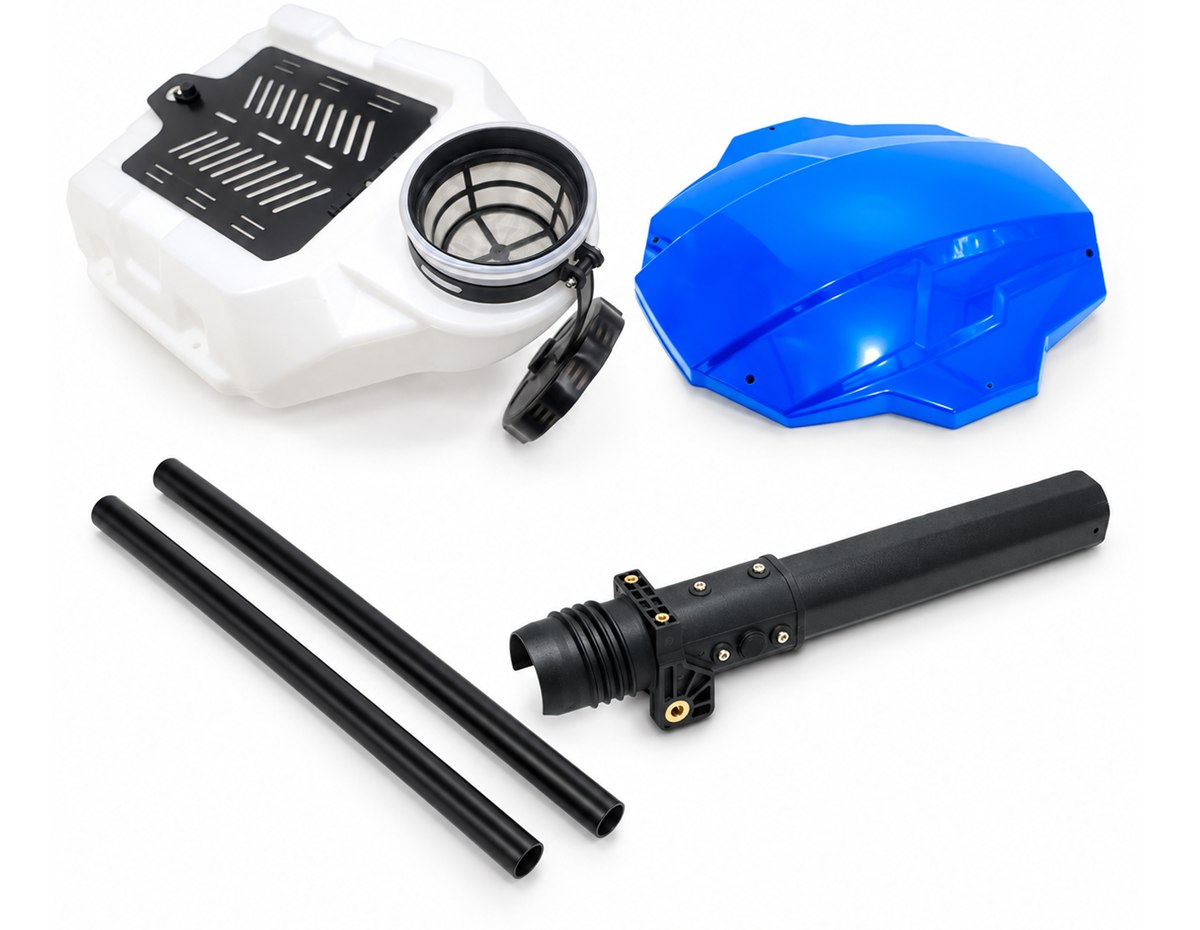
EFT Bharat E-series frames, tanks and spare parts.
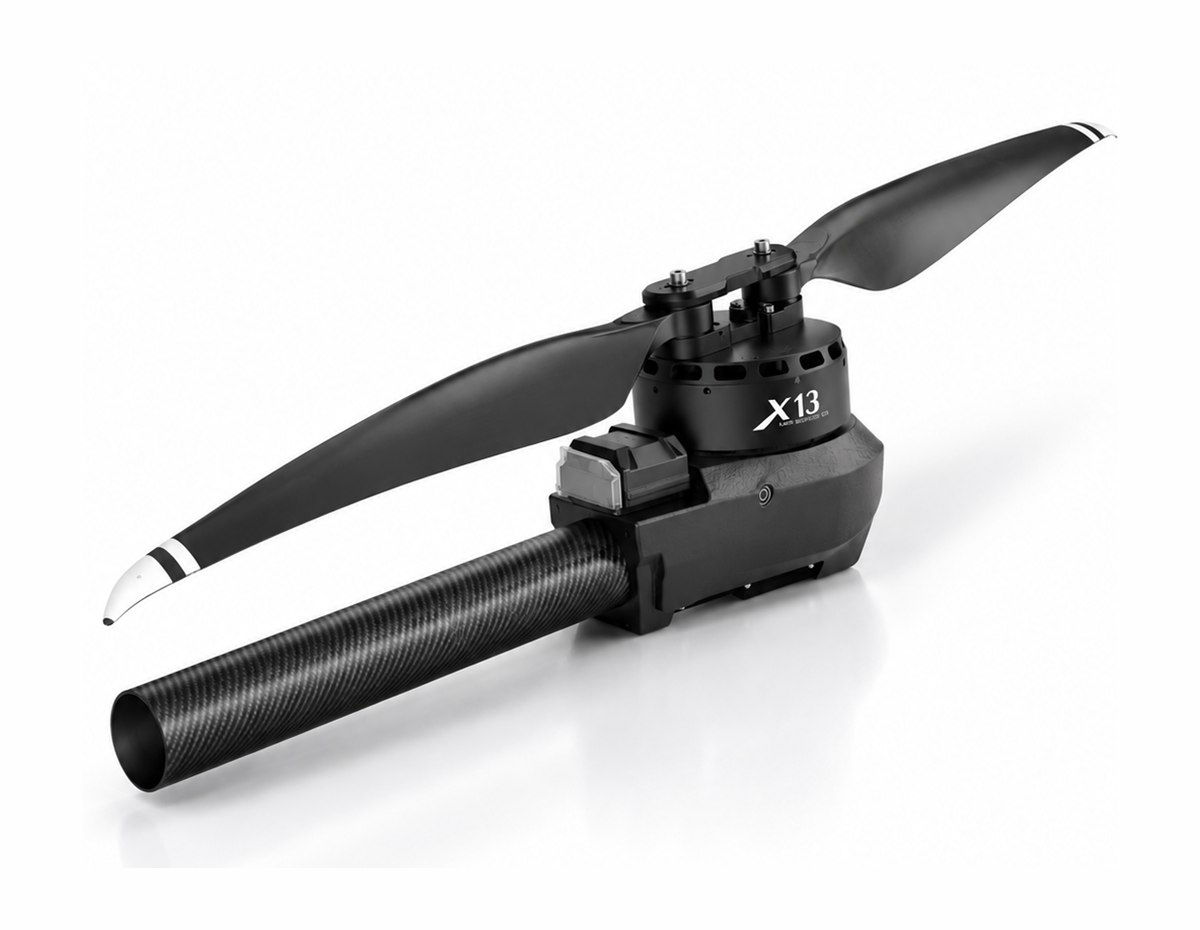
Hobbywing integrated power systems for spraying drones.
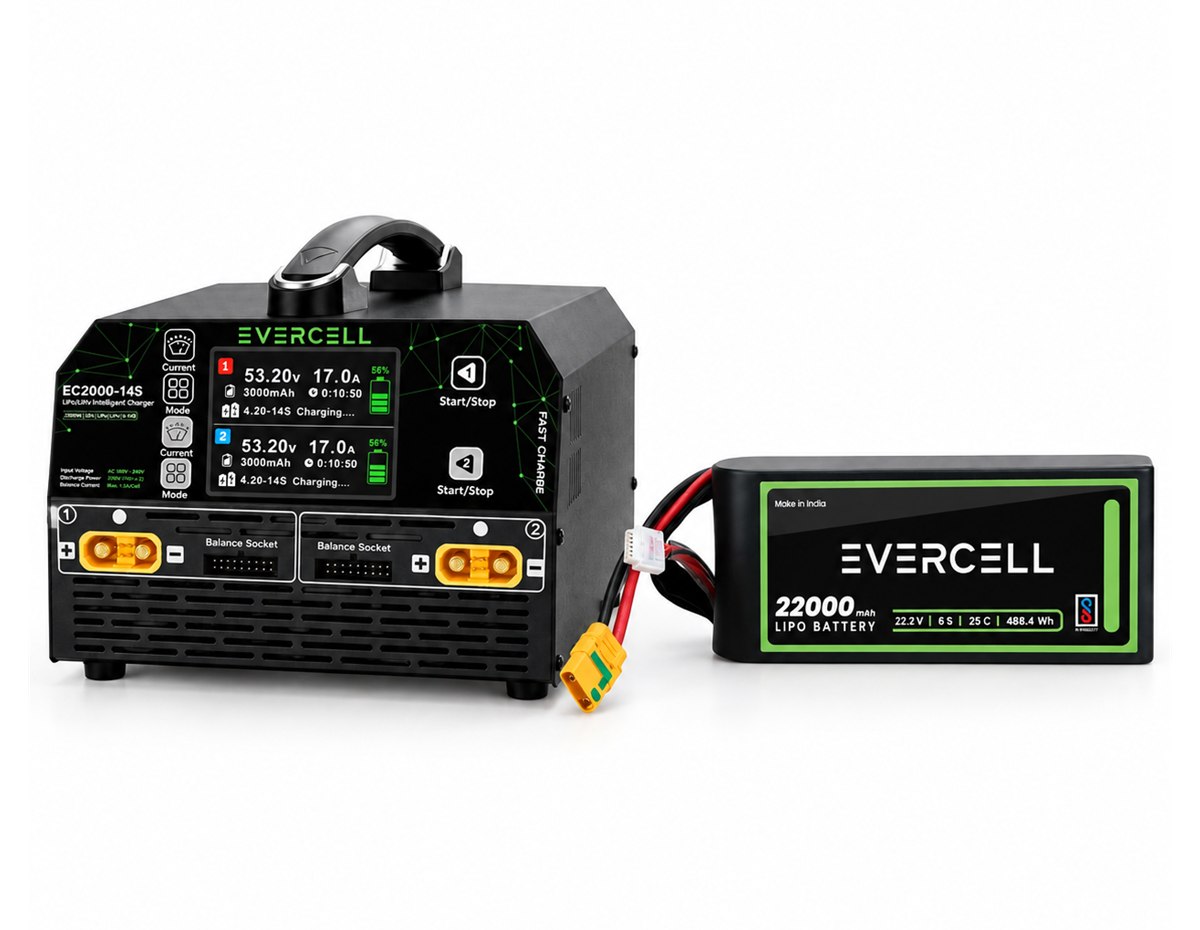
Evercell Make-in-India LiPo packs and fast chargers.
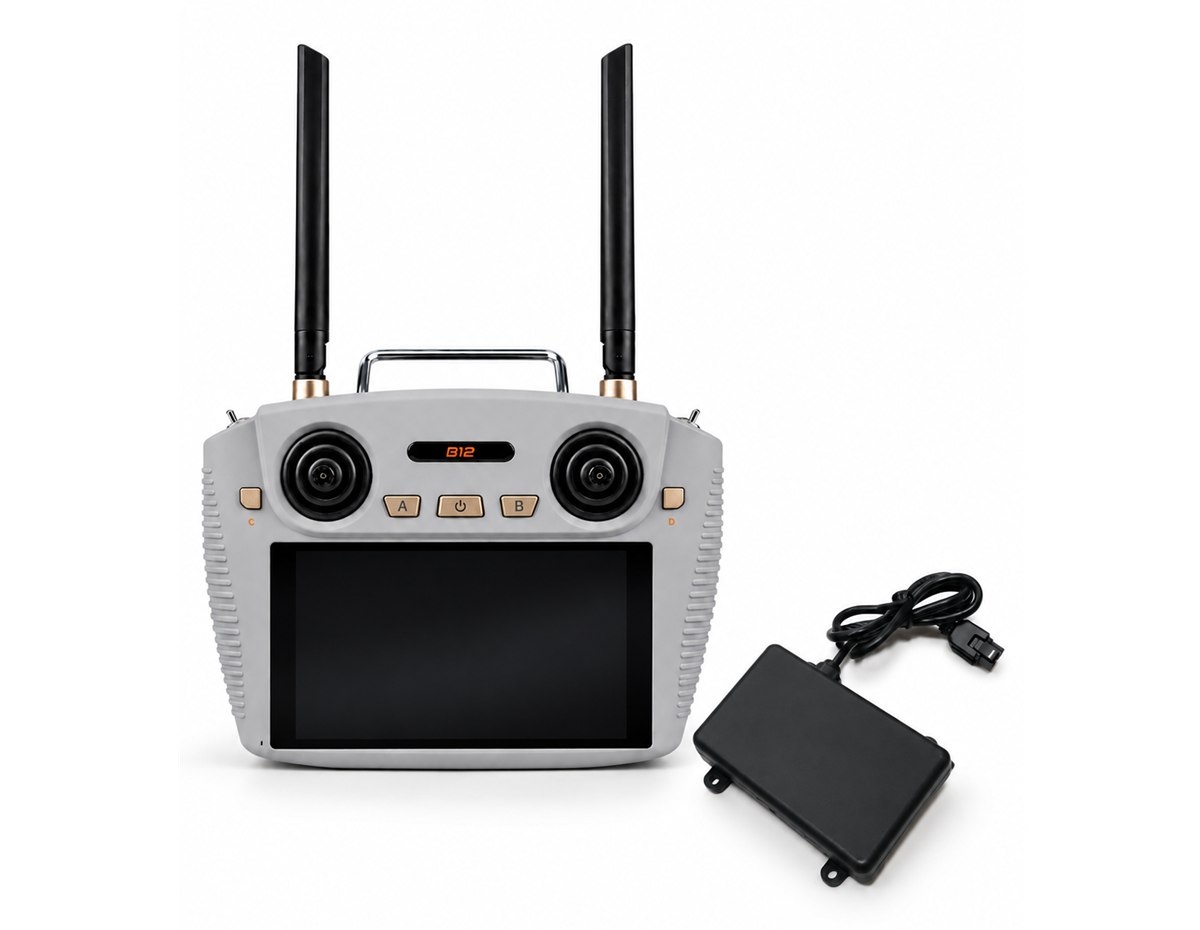
JIYI flight controllers, GPS, terrain and obstacle radar.
This page distinguishes general equipment explanations from field-specific application directions. Review the current original documents before using it for operational decisions.