

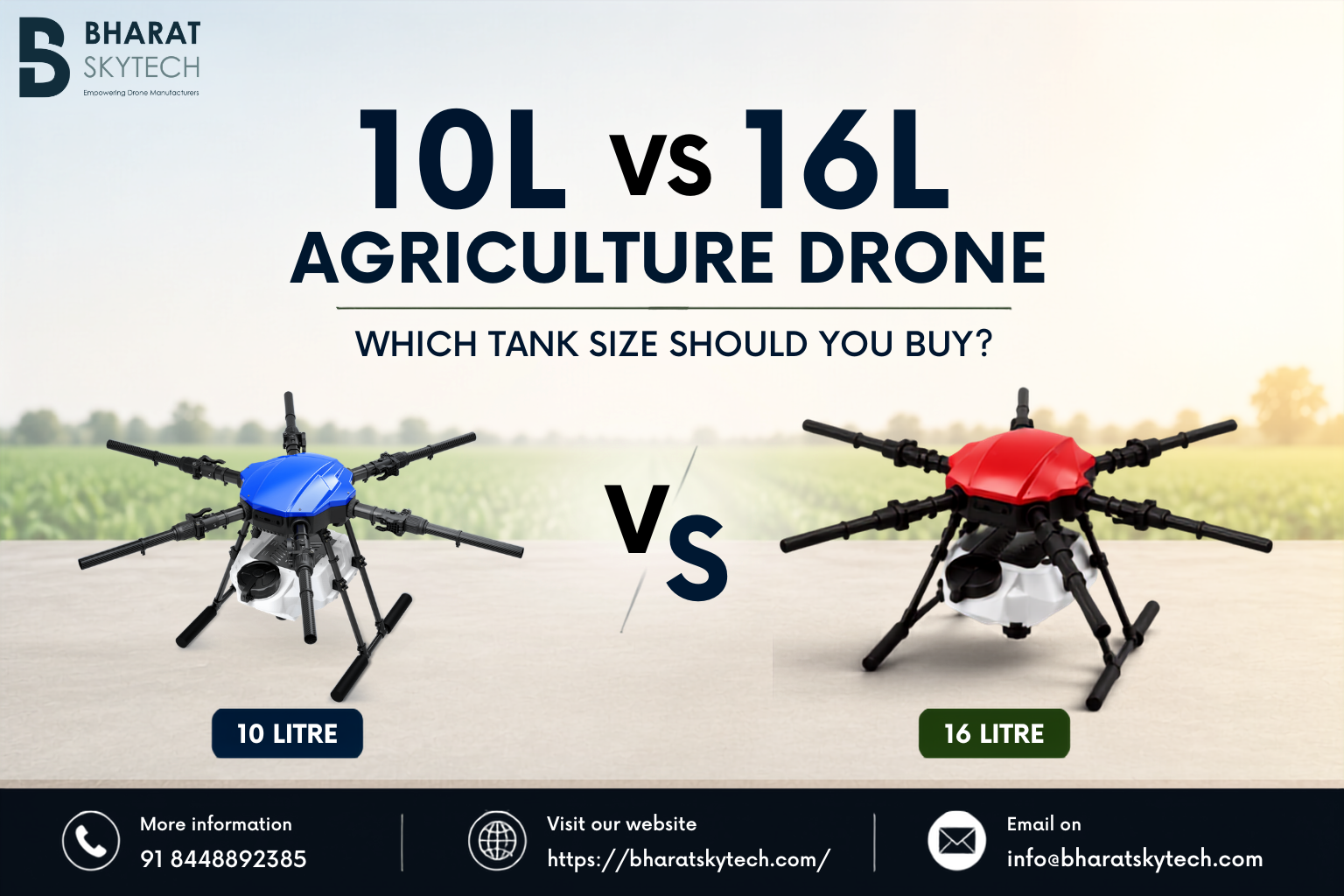
It’s the question almost every new agriculture drone buyer in India gets stuck on: should you go with a 10-litre spraying drone or step up to 16 litres? On paper, 16L sounds obviously better — more capacity, more acres, more productivity. In reality, the bigger tank brings higher costs, heavier component demands, and shorter flight times that eat into the advantage. The right answer depends entirely on how, where, and how much you spray. This comparison breaks down 10L vs 16L agriculture drone choices the way an actual buyer needs — coverage, flight time, component cost, terrain fit, and practicality — so you can pick the tank size that makes money for your operation rather than the one that just looks impressive on a spec sheet.
The Short Answer
If you spray small-to-medium plots, are a new operator, or fly on tight or hilly terrain, a 10L drone is usually the smarter, more economical choice. If you run a contract-spraying business or cover large, open fields daily where productivity per trip drives your income, a 16L drone pays for its higher cost through greater coverage. Most first-time buyers are better served starting with 10L; most full-time commercial sprayers earn more with 16L. The details below tell you which side of that line you’re on.
10L vs 16L at a Glance
| Factor | 10L Drone | 16L Drone |
|---|---|---|
| Payload (full tank) | ~10 kg | ~16 kg |
| Coverage per trip | Less area, more refills | More area, fewer refills |
| Flight time per battery | Generally longer per load | Shorter under heavier load |
| Frame & wheelbase | Smaller, lighter | Larger, longer wheelbase |
| Motors / ESCs | Lower thrust class | Higher thrust class |
| Battery cost | Lower | Higher (bigger packs) |
| Overall component cost | Lower | Higher |
| Portability | Easier to carry & transport | Bulkier, heavier |
| Best for | Small/medium farms, new operators, hilly plots | Large fields, contract sprayers, FPOs |
Use this table as the quick decision aid — the sections below explain why each row falls the way it does.
Coverage & Productivity — Acres Per Hour
The headline reason to choose 16L is productivity. A bigger tank means you spray more area before landing to refill, and fewer refills means less downtime and more acres covered per hour.
But the advantage is smaller than the raw numbers suggest, because a 16L drone is heavier and draws more power, so it may spend more time on the ground swapping batteries even as it saves time on refills. The real productivity gain shows up most clearly on large, open, continuous fields, where a drone can lay down a full tank efficiently before returning. On small, fragmented plots — common across much of Indian farming — you refill and reposition so often that the larger tank’s advantage shrinks.
How refill cycles change your real output
Think in terms of your actual working day, not theoretical capacity. If your plots are large and your water/chemical refill point is close, the 16L drone’s fewer refills translate directly into more acres sprayed. If your plots are small and scattered, or your refill point is far, you’ll refill frequently regardless of tank size, and the 10L drone’s lighter weight and simpler handling may keep you nearly as productive at lower cost. Productivity is about your fields, not just your tank.
Flight Time & Battery Cost
Here’s the trade-off buyers underestimate most: a heavier payload consumes more power. Lifting 16 kg of liquid demands more current from the motors than lifting 10 kg, which drains the battery faster and shortens the time you can stay airborne per charge.
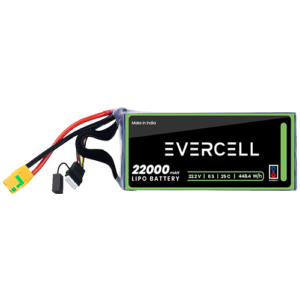
That has two consequences. First, a 16L drone often needs larger, higher-capacity batteries to maintain a workable flight time — and bigger batteries cost significantly more. Second, you’ll typically want more spare batteries in rotation to keep a heavier drone flying while packs recharge, since each pack does harder work. The thrust-and-weight relationship behind all of this is explained in our agriculture drone power system guide.
Why a bigger tank costs more than just the tank
The 16L “upgrade” is never just a bigger tank. Because the drone must lift more weight, it cascades through the whole build: a larger frame, higher-thrust motors, higher-current ESCs, and bigger batteries. Choosing your tank capacity is really choosing your entire component class — which is exactly why tank size is a payload decision, as we cover in our spraying system guide and frame selection guide.
Component Cost — What Each Build Actually Demands
If you’re building or sourcing components rather than buying a finished drone, the cost gap between the two classes is spread across the whole parts list.
Frame, motors, ESCs and battery differences
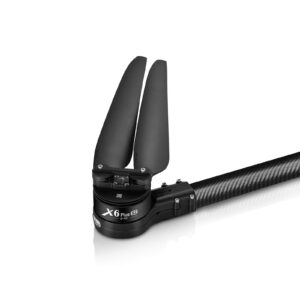
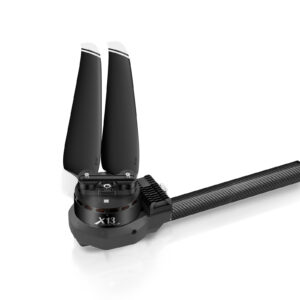
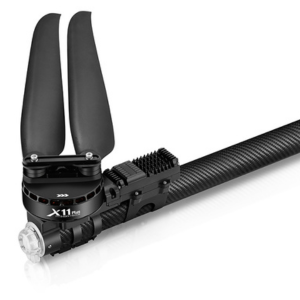
A 10L build uses a smaller frame with a shorter wheelbase, lower-thrust motors, lower-current ESCs, and smaller battery packs — every component in a more affordable class.
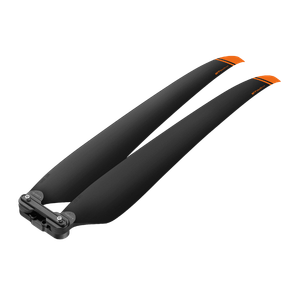
A 16L build needs a larger frame with beefier carbon arms, higher-thrust motors, higher-rated ESCs to feed those motors, and larger batteries to carry the heavier load. Each part steps up a class, and the costs add up across the build.
The practical takeaway: don’t compare 10L and 16L on tank price alone. Compare the full component cost of each complete drone, and weigh that against the extra income the larger drone will actually earn in your specific operation.
Terrain, Plot Size & Crop Type
Your land decides a lot of this for you.
When 10L is the smarter choice
A 10L drone shines on small and medium farms, fragmented plots, hilly or terraced land, and tight field margins. Its smaller size makes it more agile and easier to maneuver around obstacles, trees, and irregular boundaries. It’s lighter to carry between scattered plots, gentler on batteries, and cheaper to build and maintain. For a farmer spraying their own land, or a new operator building a client base, 10L keeps the investment sensible while still delivering the core benefits of drone spraying.
When 16L pays for itself
A 16L drone earns its keep on large, open, continuous fields — the big paddy, wheat, cotton, and sugarcane holdings where a drone can cover ground trip after trip. For an operator whose income depends on acres sprayed per day, the extra coverage per trip directly increases earnings, and the higher component cost is recovered through volume. This is the drone for the serious contract sprayer, not the occasional user.
Portability, Handling & Field Practicality
Beyond the numbers, there’s the simple reality of moving and using the drone every day.
A 10L drone is lighter, more compact, and easier for one person to carry, transport between fields, and set up. A 16L drone is a larger, heavier machine — more capable, but more of a handful, especially when you’re moving between multiple farms in a day or working from a motorcycle or small vehicle. Foldable frames help with both classes, but the fundamental size and weight difference is felt in every load-in, every setup, and every refill. For a solo operator, that daily practicality genuinely matters; for a team with transport, it’s less of a concern.
Which Should You Buy? A Decision Guide by Operator Type
Match the drone to who you are and how you work.
Small farmers & new operators
If you’re spraying your own land, testing the waters of a spraying service, or working with a modest budget, start with 10L. It’s cheaper to build and run, easier to handle solo, gentler on batteries, and perfectly capable for small-to-medium plots. You can always scale up to a larger drone later once your acreage and client base justify it — and starting smaller lets you learn the craft without overcommitting capital.
Contract sprayers & FPOs
If spraying is your business and your income scales with acres covered, 16L is likely the better investment. The greater coverage per trip lifts your daily output and earnings on the large, open fields where contract work concentrates. Just go in with clear eyes about the full cost — bigger frame, stronger motors and ESCs, and more/larger batteries — and make sure your typical field sizes actually let the bigger tank stretch its legs. If most of your work is small, fragmented plots, even a commercial operator may find 10L more economical.
Build or Upgrade Either Drone with Bharat Skytech
Whichever tank size fits your fields, the drone is only as good as the components inside it — and the right choice is the one matched correctly from frame to battery.
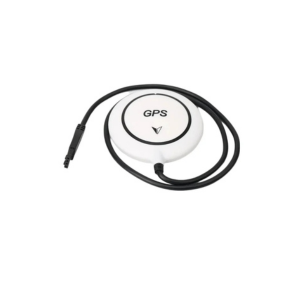
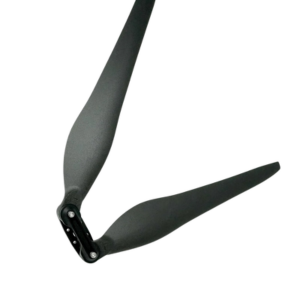
At Bharat Skytech, we supply genuine agriculture drone components for both 10L and 16L builds — frames, motors, ESCs, batteries, sprayers, and flight controllers — correctly matched to your payload class, with expert sales support to help you build a drone sized right for your operation and budget. Whether you’re starting with a nimble 10L sprayer or scaling to a high-output 16L machine, explore our motors, batteries, and drone electricals — and cross-check every part against our components quality checklist before you build.
Frequently Asked Questions (FAQs)
Is a 16L drone always better than a 10L?
No. A 16L drone covers more area per trip but costs more to build, weighs more, draws more battery power, and is harder to handle. It’s better only if your fields are large enough and your workload high enough to use that extra capacity. For small or fragmented plots, 10L is often the smarter buy.
Does a bigger tank mean shorter flight time?
Yes. A heavier payload makes the motors draw more current, which drains the battery faster. A 16L drone typically needs larger batteries — and more spares in rotation — to keep a practical flight time.
Which tank size is best for a new drone spraying business?
Most new operators are better starting with 10L: lower investment, easier handling, and gentler running costs, while still capable of real commercial work on small-to-medium plots. Scale up to 16L once your acreage and client base justify it.
Is the only difference the tank size?
No — that’s the biggest misconception. Moving from 10L to 16L requires a larger frame, higher-thrust motors, higher-current ESCs, and bigger batteries. You’re choosing an entire component class, not just a tank.
Which covers more acres per hour?
On large, open fields, a 16L drone covers more per hour thanks to fewer refills. On small, scattered plots where you refill and reposition constantly, the gap narrows and a 10L drone can be nearly as productive at lower cost.