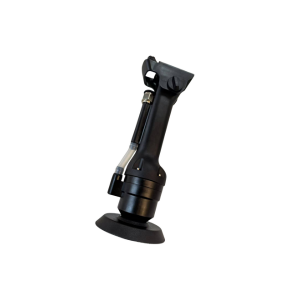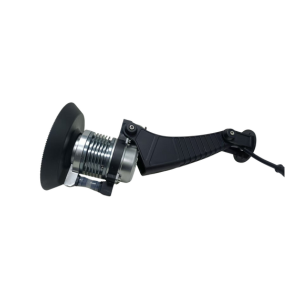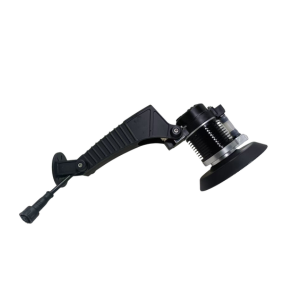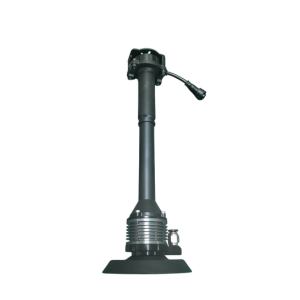


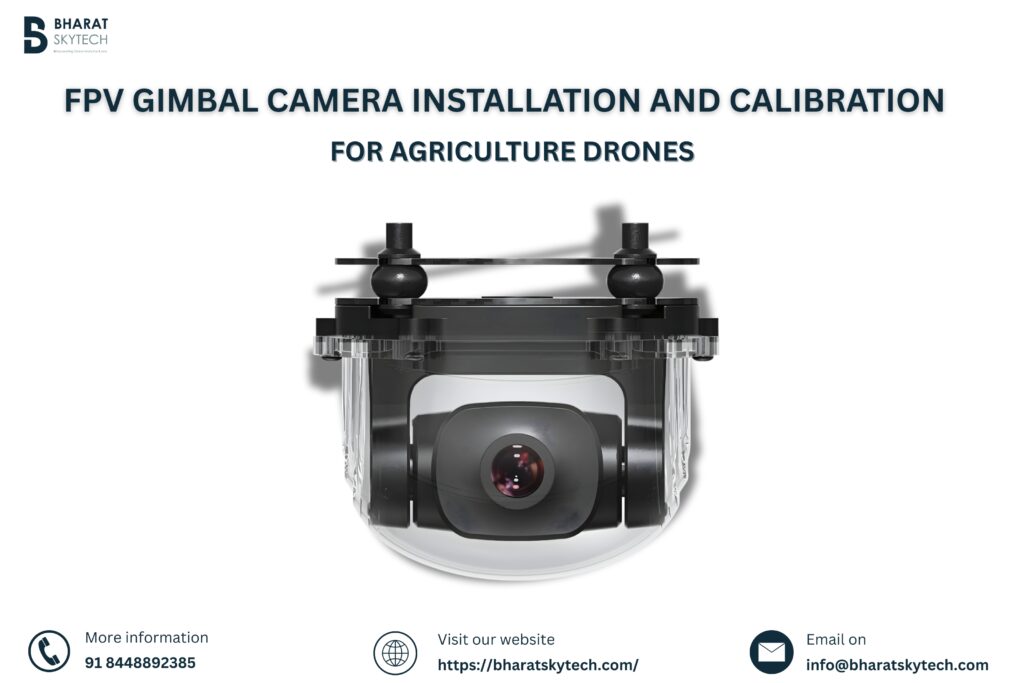
The world of modern agriculture is rapidly evolving, and one of the most powerful tools transforming field management is the FPV gimbal camera. Whether farmers are monitoring crops, inspecting field conditions, mapping farmland, or operating long-range spraying drones, having a stable and clear visual feed is essential. This is why installing and calibrating a drone FPV gimbal camera correctly is crucial for accuracy and reliability. Agriculture drones rely on real-time visuals for precision flight, obstacle avoidance, crop assessment, and mission planning, making a properly configured FPV camera gimbal one of the most important components onboard.
A high-quality 3-axis FPV gimbal camera gives agriculture drone operators the confidence to fly safely even in challenging conditions. It delivers smooth, stabilized, low-latency visuals that help farmers navigate fields with precision. Professional operators also use the camera to record field footage, inspect crop health, assess plant density, and perform targeted pesticide applications more accurately. Understanding the correct installation and calibration process ensures that the camera performs at peak capability during all agricultural tasks.
This blog provides a complete, step-by-step, highly detailed guide for installing and calibrating a gimbal camera for drones, specifically optimized for agriculture drone operations. Every step includes the logic, purpose, and best practices behind correct setup, ensuring stable operation whether you are using an HD FPV gimbal camera, 4K FPV gimbal camera, or any advanced wide-angle FPV gimbal camera designed for farm use.
Preparing Your Drone for FPV Gimbal Camera Installation
Before installing the camera, preparation is essential. An agriculture drone undergoes heavy vibrations due to powerful motors, payload weight, and wind resistance. Therefore, the mounting surface must support the camera securely and reduce vibration transfer. A good FPV camera module performs best when mounted on a clean, vibration-damped platform. Many professional drones include dedicated gimbal mounts, but if your drone requires a custom setup, ensure the platform is flat, firm, and aligned with the drone’s center of gravity.
The next step is ensuring compatibility. Not every camera fits every drone. Be sure the camera supports FPV gimbal stabilization and includes mounting plates compatible with your drone’s frame. The power requirements must match the drone’s battery system to avoid overload or under-powering. A brushless gimbal FPV camera typically requires consistent voltage, and using incorrect power input can cause jitter or malfunction.
Once the mount is ready, inspect your wiring. FPV gimbal systems require data and power lines, and the wiring must be kept away from high-noise areas like ESCs or motors that generate electromagnetic interference. Clean wiring ensures stable live FPV camera feed without flicker or loss.
Installing the FPV Gimbal Camera on Your Agriculture Drone
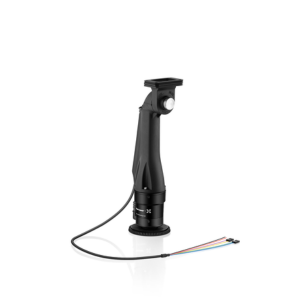
Start by securing the gimbal base plate to the drone body using vibration-dampening rubbers or shock absorbers. This reduces micro-vibrations from the motors and greatly improves the video quality of your FPV UAV camera system. Once securely mounted, attach the main gimbal module to the plate, ensuring that the mechanical alignment is centered. A centered alignment allows balanced movement and prevents unnecessary strain on the gimbal motors.
Next, install the camera on the gimbal. Whether you’re using a HD FPV gimbal camera, 4K FPV gimbal camera, or wide-angle FPV gimbal camera, the installation process is similar. Position the camera properly in the gimbal frame and tighten the brackets just enough to secure it without restricting movement. Over-tightening may cause friction that interferes with stabilization.
After mounting the camera, connect the power cable from the drone’s power distribution board to the gimbal’s power port. Follow this by connecting the video transmission cable to the HD low-latency transmission camera output. This ensures that your FPV feed will be transmitted directly to the ground controller or goggles.
Some advanced models also include control signal wires to allow pilots to adjust angle, pitch, and mode mid-flight. This is especially useful for FPV gimbal for live streaming, where real-time adjustments are required.
Calibrating the FPV Gimbal Camera for Accurate and Stable Operation
Once the installation is complete, calibration is the most important step. Calibration ensures that your stabilized drone camera performs optimally and can lock onto level horizons correctly. Begin with a basic initialization by powering on your drone while keeping it perfectly still on a flat surface. The gimbal will perform a self-check and set its neutral position.
Open your flight controller software or gimbal management app to begin fine calibration. Many agriculture drones use gimbal software compatible with both manual and automatic adjustments. Start by checking the alignment of the horizon. If the camera tilts slightly to one side, fine-tune the roll axis until it becomes level. This prevents skewed imagery during flights.
Next, adjust the pitch axis to ensure that the camera points correctly when centered. This is important when using the camera as an agriculture drone FPV camera, where forward visibility helps pilots analyze field conditions.
During calibration, monitor the jitter, motor noise, and smoothness of movement. A well-calibrated FPV camera with stabilization will remain steady even if the drone tilts. For agricultural purposes, smooth vertical and forward movement helps in identifying crop gaps, disease spots, or field inconsistencies.
After stabilization calibration, test the camera’s tracking ability. Move the drone slightly while observing the video output. A properly calibrated FPV camera for aerial video will keep the horizon stable without sudden jerks.
Testing the Video Feed and Transmission Reliability
Once calibration is done, test the FPV telemetry video feed. The goal is to ensure low latency and clear transmission. Agriculture drones often fly long distances, requiring stable signal output from a long-range FPV camera for sale or installed on the drone. Ensure that the antenna alignment is proper and that no wires or components are blocking the transmission path.
If the drone supports HD transmission modules, verify that the HD low-latency transmission camera is sending high-quality visuals without delay. Delayed or weak visuals can cause errors during navigation or mapping operations.
Outdoor testing is essential. Fly the drone slowly across a test field and examine the video clarity, stability, and ability to capture fine details. This is especially important for drones used as mapping FPV gimbal cameras, where image clarity determines mapping accuracy.
Use Cases of FPV Gimbal Cameras in Agriculture Drones
A properly installed and calibrated FPV gimbal camera enhances agricultural productivity in numerous ways. Farmers use an agriculture drone FPV camera for real-time crop monitoring, allowing them to identify crop stress, pest infestation, or poor irrigation zones. The stable visuals from a FPV stabilized camera help in documenting crop growth stages and creating visual reports.
In mapping applications, a mapping FPV gimbal camera provides steady imagery required for accurate photogrammetry. For periodic farm inspections, an inspection drone FPV camera helps detect problems early, reducing crop loss.
Security farms or border areas often use drones equipped with a surveillance FPV gimbal camera for monitoring livestock movement or preventing crop theft. During long-range missions, a long-range FPV camera ensures the operator never loses visual contact with field activities.
In marketing or social media documentation, a FPV gimbal for live streaming helps farmers broadcast their operations live with stable, professional-quality visuals.
Ensuring Longevity and Performance of the FPV Gimbal Camera
After installation and calibration, proper care ensures the longevity of your FPV drone video camera. Avoid exposing the camera and gimbal motors to excessive dust, moisture, or harsh chemicals. Always perform a quick stabilization test before flights and recalibrate periodically to ensure consistent performance.
Store the drone in vibration-free and moisture-controlled environments. Check wiring regularly and ensure that connectors are tight. If you use the drone frequently in dusty farm conditions, clean the gimbal motors gently using compressed air.
Conclusion
Installing and calibrating a FPV gimbal camera is a vital step for achieving stable, accurate, and high-quality visuals in agriculture drone operations. Whether you are surveying fields, spraying crops, mapping farmland, or monitoring crop health, a properly installed FPV camera gimbal ensures smooth and reliable performance throughout the mission. From the initial mounting to the final calibration, every step significantly influences the stability of your drone FPV gimbal camera.
With today’s advanced 3-axis FPV gimbal camera systems, agriculture drones have become far more capable, providing farmers with precise aerial insights. Selecting the right FPV stabilized camera, optimizing installation, testing the FPV telemetry video feed, and performing regular maintenance ensures reliable operation over long-term use. Whether you are planning to buy FPV gimbal camera, comparing FPV gimbal camera price in India, or searching for the best FPV gimbal camera for drones, proper installation and calibration remain the keys to unlocking maximum performance.